Furusato
Synopsis
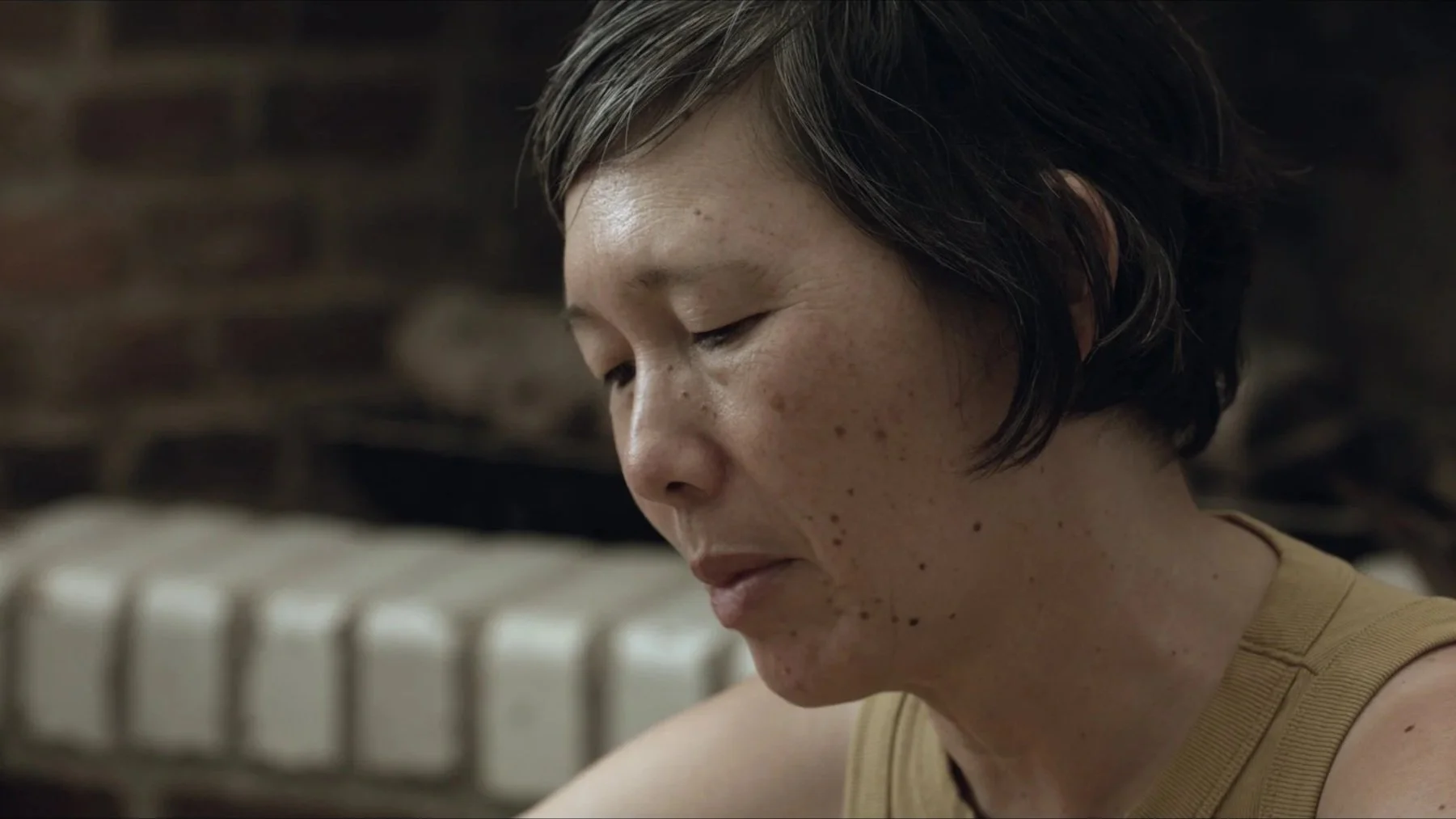
A ceramicist and her middle-school daughter navigate the lingering trauma of World War II Japanese-American forced incarceration, transforming creative practice and linguistic reclamation into vital pathways for healing, ancestral memory, and heritage preservation.
Topic Summary
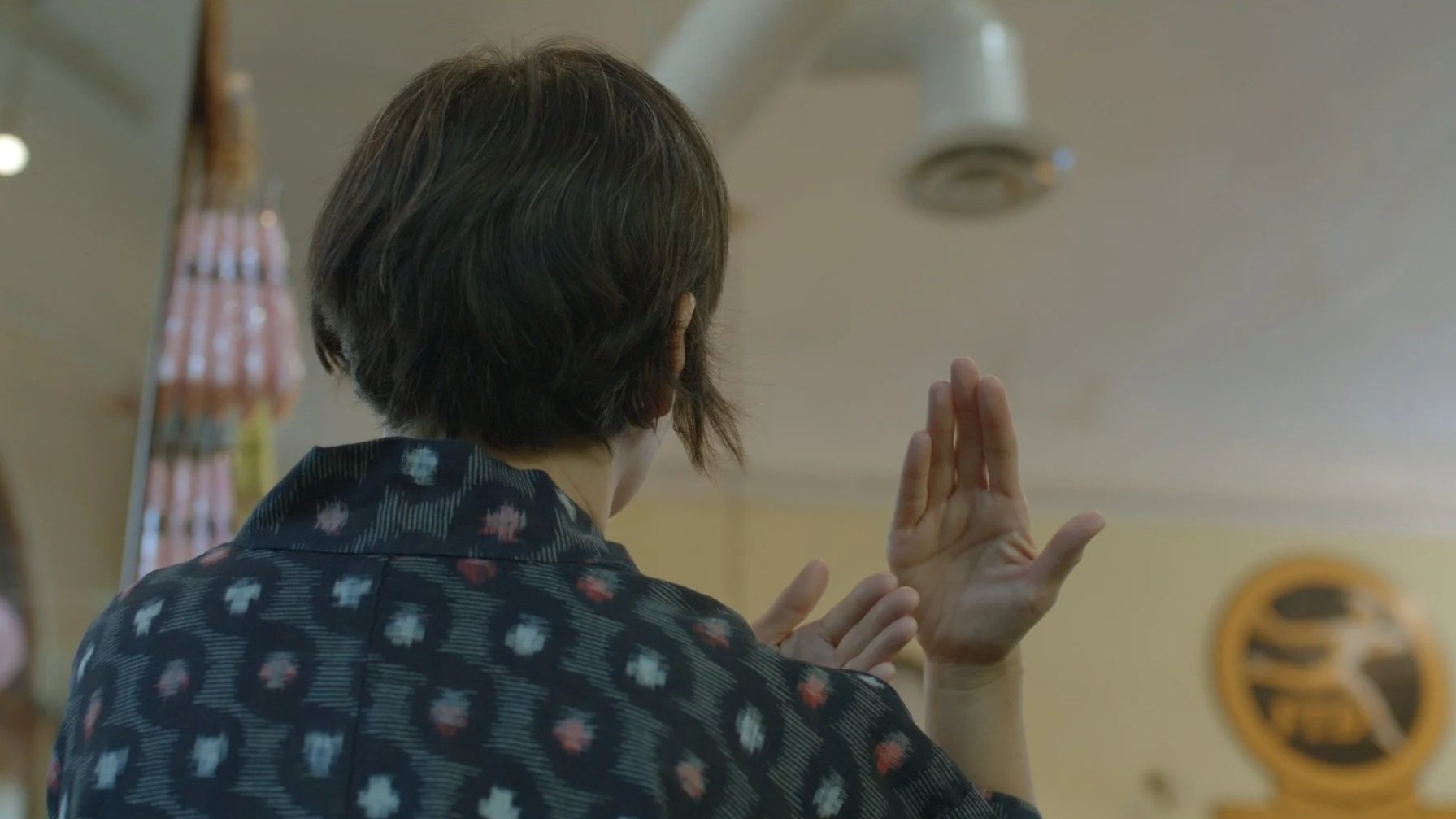
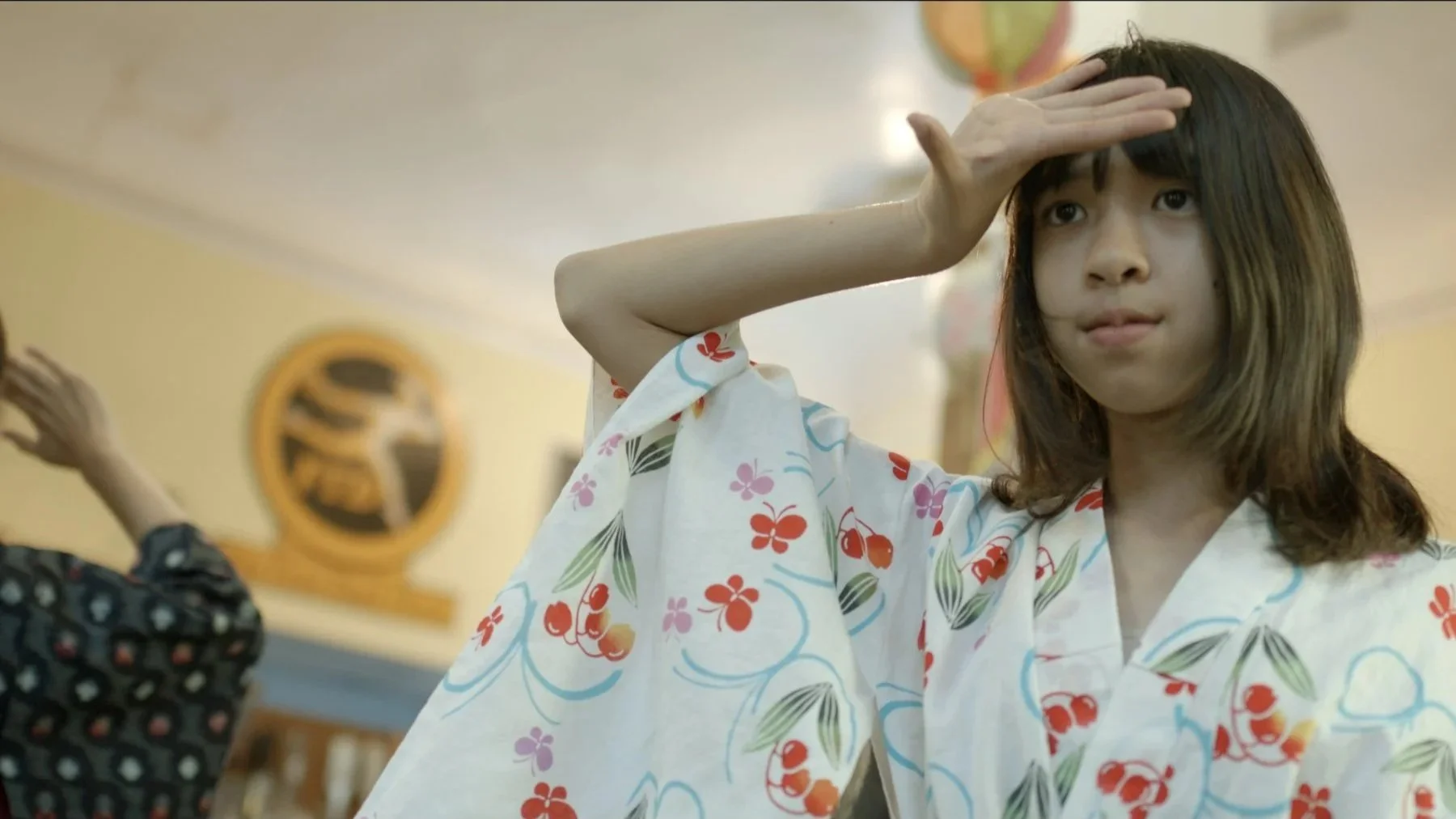
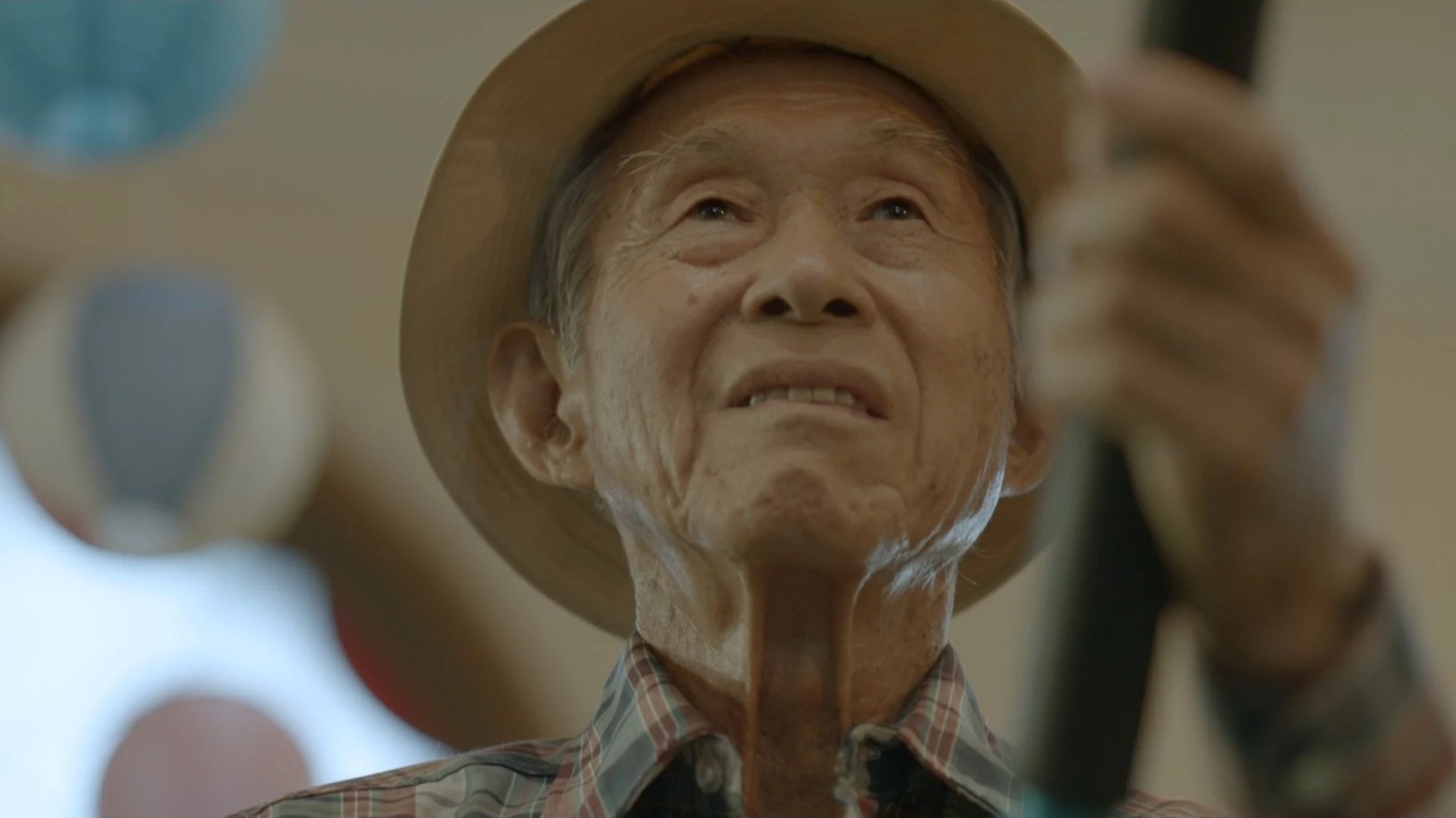
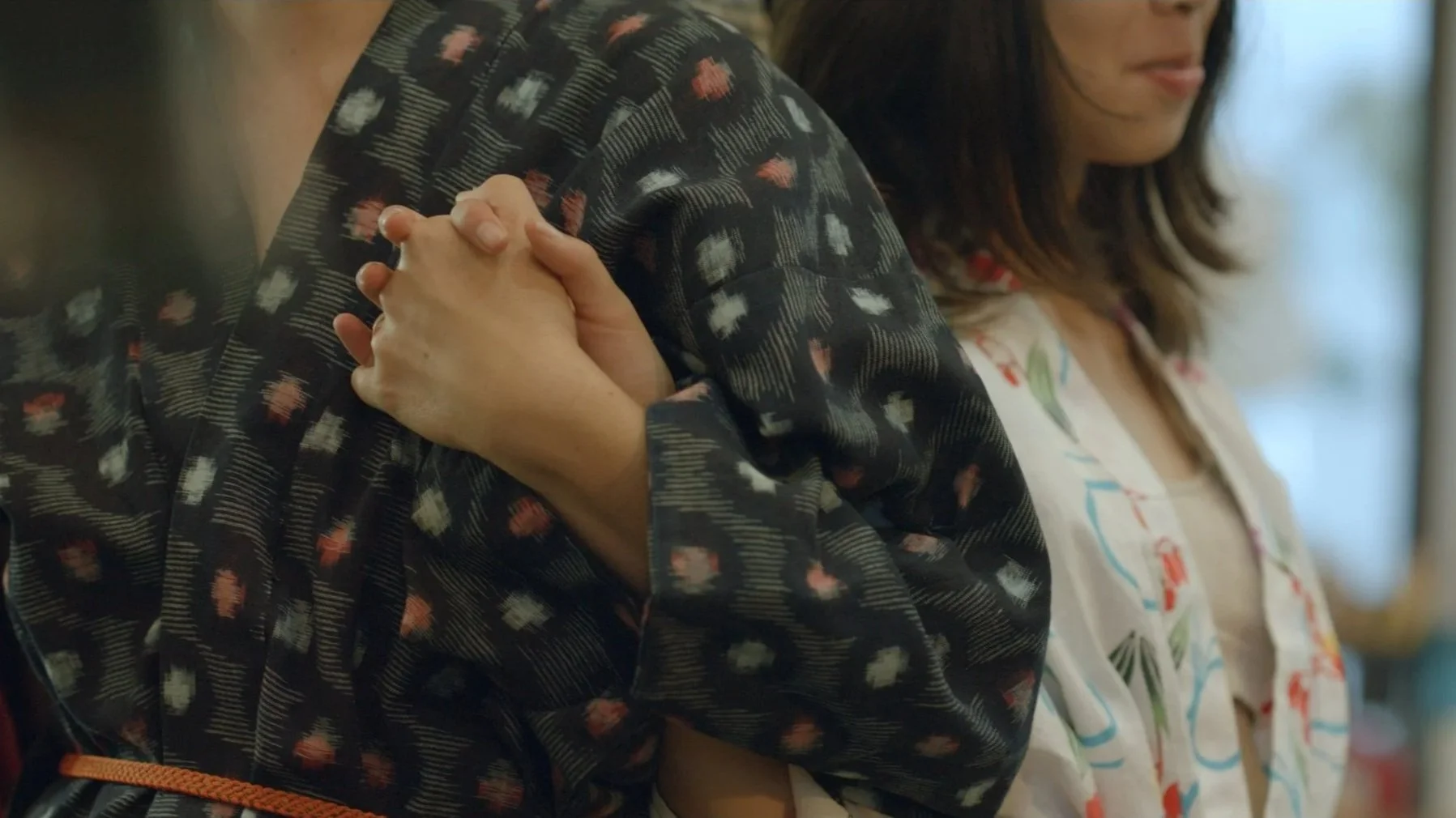
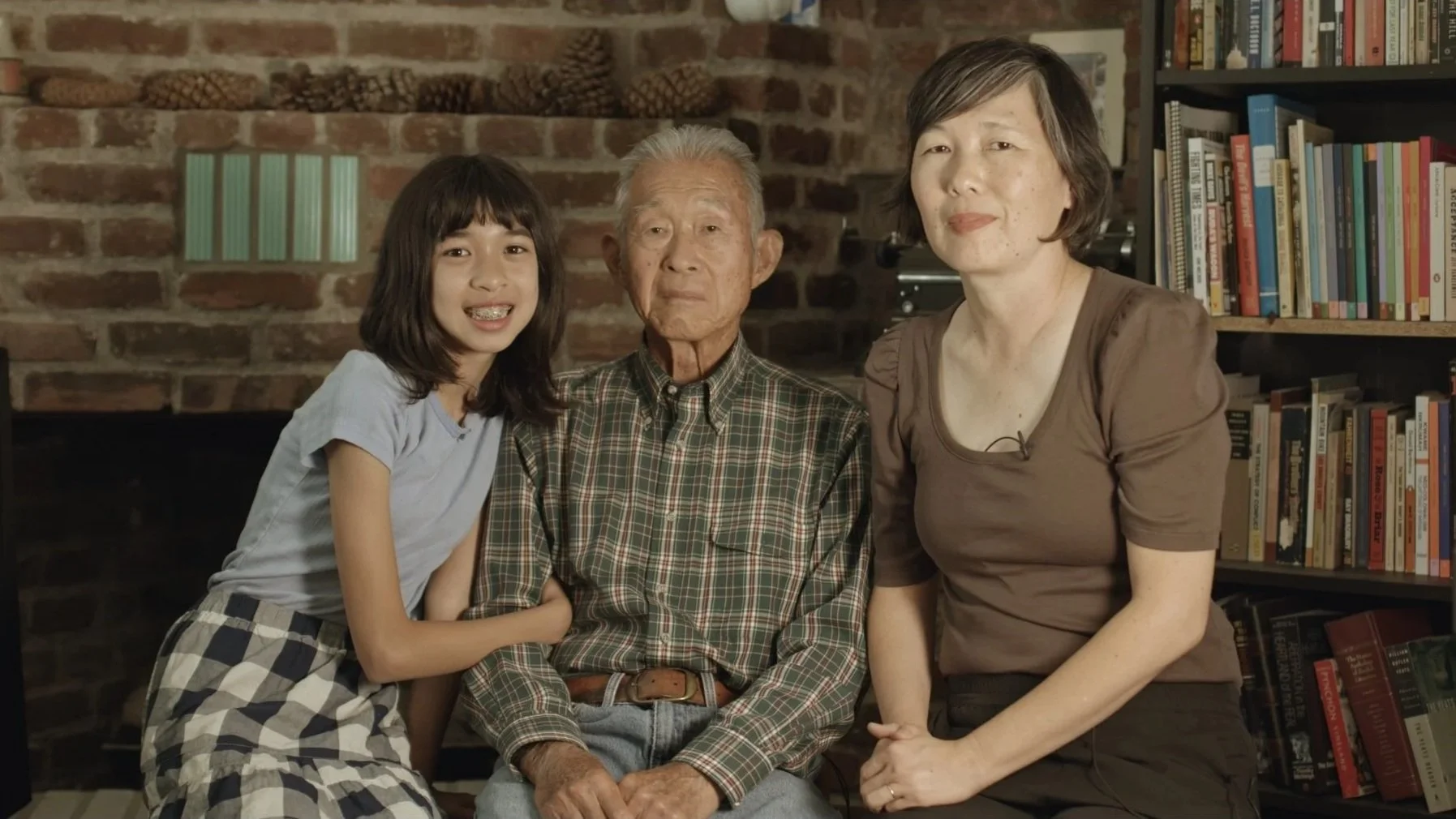
This documentary, created in collaboration with Alyson Iwamoto as co-producer and protagonist, explores the intergenerational legacy of Japanese-American wartime incarceration alongside her middle-school daughter, Aiko. Following WWII, during which 125,000 Japanese-Americans were forcibly placed in concentration camps, decades of trauma and silenced heritage affected survivor families. Alyson encounters contrasting responses to this cultural erasure within her own family. Her mother continues to embody the trauma of WWII through the denial of her Japanese-American roots. Conversely, her father embraces his ancestry and works to foster community connections, engaging in public speaking and activism across schools, universities, pilgrimages, and local gatherings. Navigating these opposing perspectives, Alyson and Aiko work toward reconciliation as Aiko takes active steps to reclaim her heritage by participating in cultural programs and enrolling in an immersion initiative to gain fluency in Japanese.
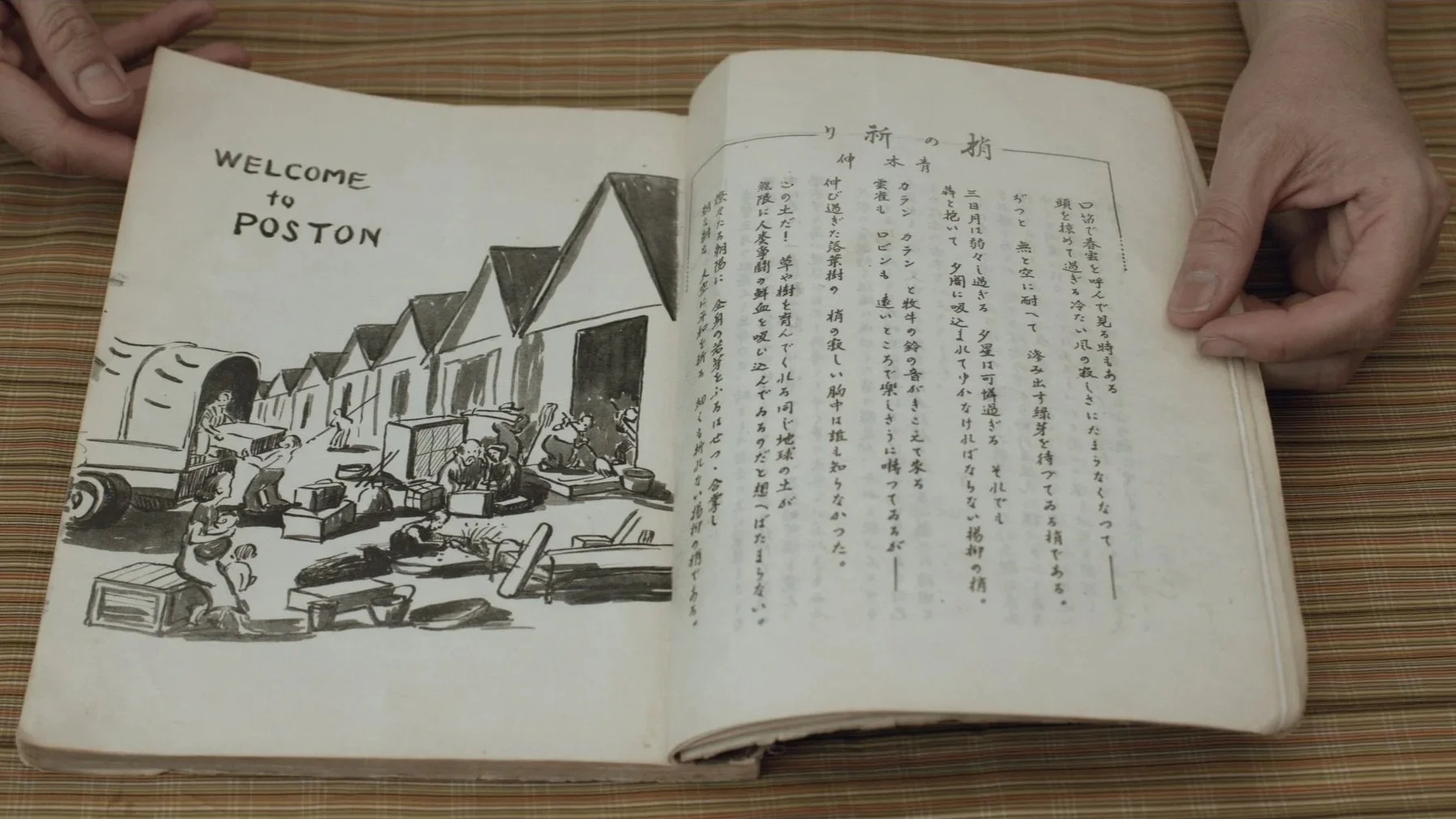
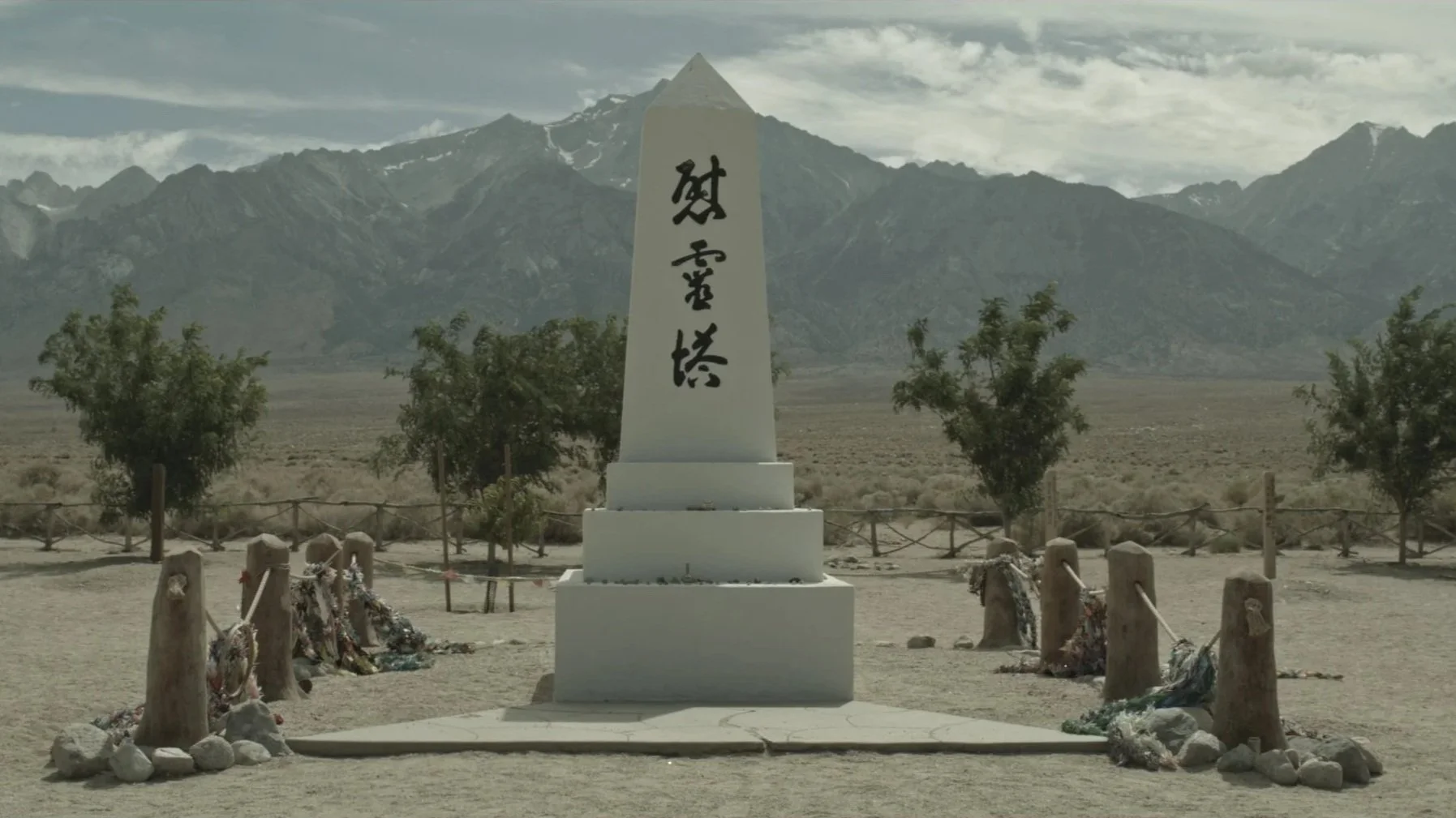
The film explores how Alyson proactively seeks to understand, address, and heal the inherited trauma stemming from her parents' incarceration in concentration camps. Drawing on her background as a ceramicist and arts educator, she leads workshops for pilgrims visiting Manzanar and Poston, using clay as a medium to promote healing for both the individuals and the land.
Parallel to this, the narrative follows Aiko's journey as she emerges as a school leader. Through modern scenes of language acquisition, the documentary illustrates that confronting historical trauma demands conscious, creative effort. By framing language learning as an act of resistance and art as a bridge between generations, the film presents one family's journey as a testament to memory, healing, and cultural preservation.